Many coastal hotel searches begin with the same requirement: direct beachfront. Guests want the beach on their doorstep. Owners and investors see it as a powerful selling point. Direct access to the sea is easy to communicate and can hardly be added later through a hotel concept.
And yet guests also deliberately choose hotels set back from that location. What wins them over? And what can owners, investors and operators learn from it for their own projects?
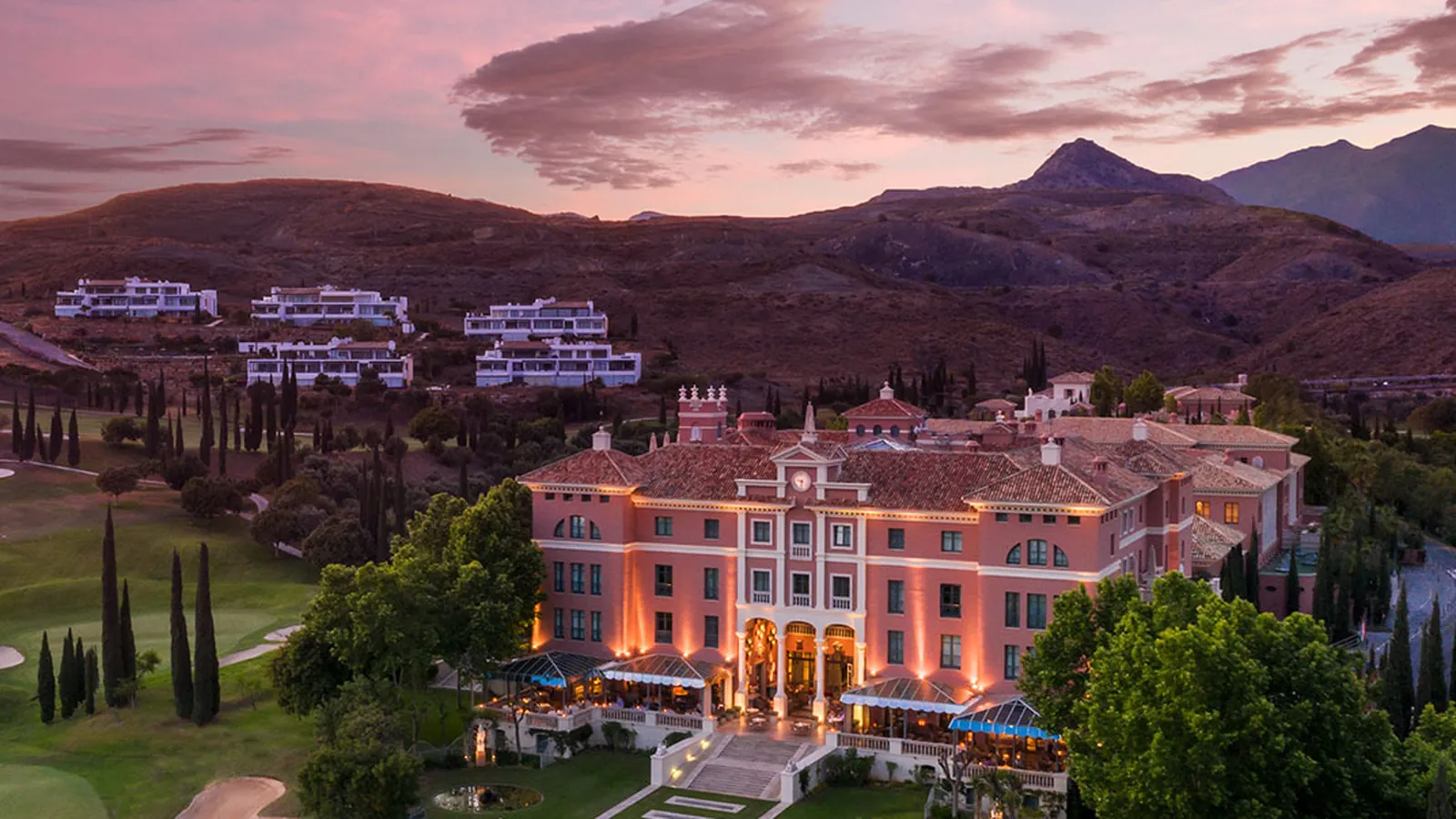
The Anantara Villa Padierna Palace in Benahavís, in the Marbella area, is an instructive example. The resort combines 125 rooms, suites and villas with palatial architecture, art, wellness and three surrounding golf courses. A beach club complements the offer by the sea. Direct beachfront is not the central feature of the hotel product here (Source: Anantara).
The thesis that follows: a compelling concept can give guests reasons to reweigh their original location preference. What matters is the value the house creates for their stay.
A reason to book this hotel in particular
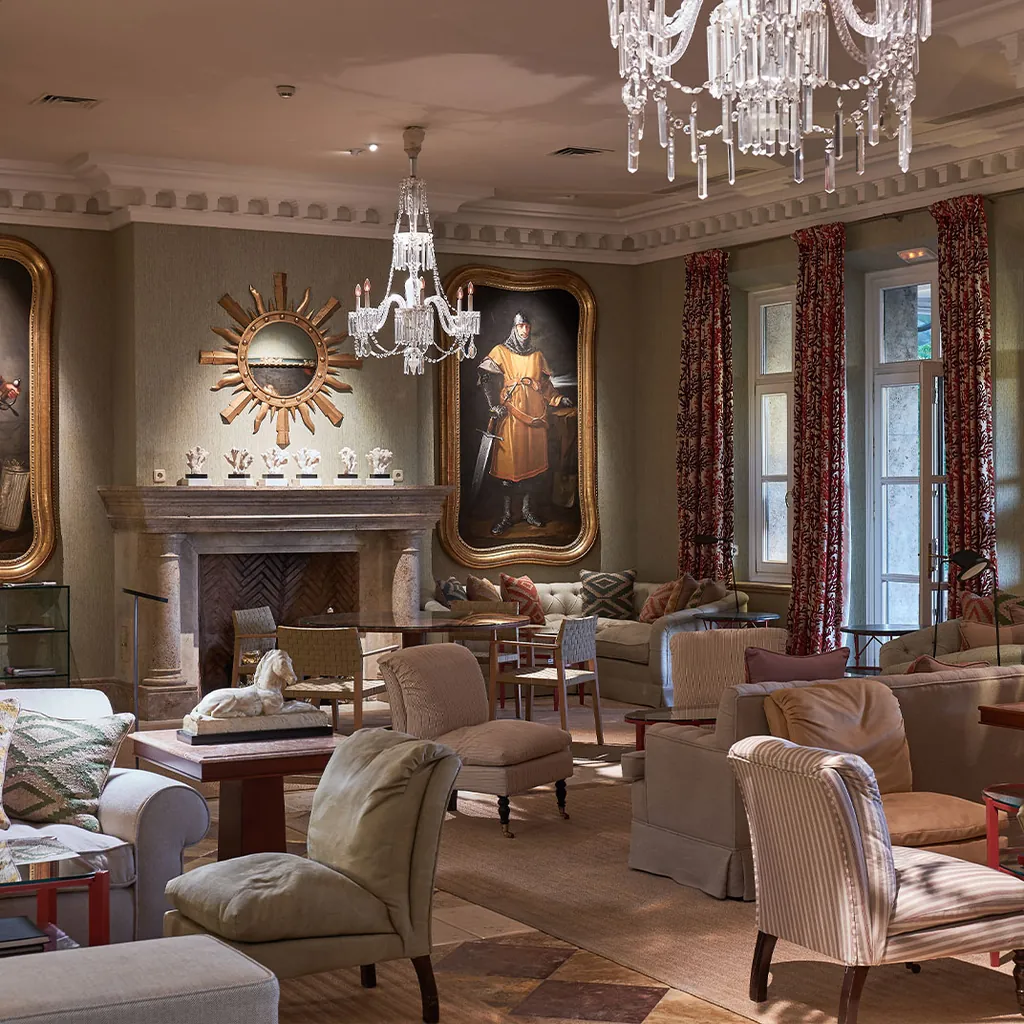
Villa Padierna has a recognisable design identity. Architecture, gardens and art define the image of the house. According to the hotel, the collection comprises more than 1,200 works of art spread across the building and grounds. Art thus becomes part of the stay (Source: art & history of the house).
For owners, this raises a fundamental question: what does our hotel offer that guests actively seek out and remember afterwards?
General promises such as luxury, relaxation or good service answer this only in part. They are used by many houses. A concrete profile, by contrast, gives the guest an idea of how their stay will feel and unfold.
That can be an exceptional setting for golf, a consistently developed wellness offer, a cuisine of its own or extraordinary architecture. What matters is that the chosen quality shapes the entire house and remains tangible day to day.
The lesson from Villa Padierna is therefore not to build a palace elsewhere. It is to give a hotel an identity that creates a reason to book in its own right.
The target guest decides how much the beachfront matters
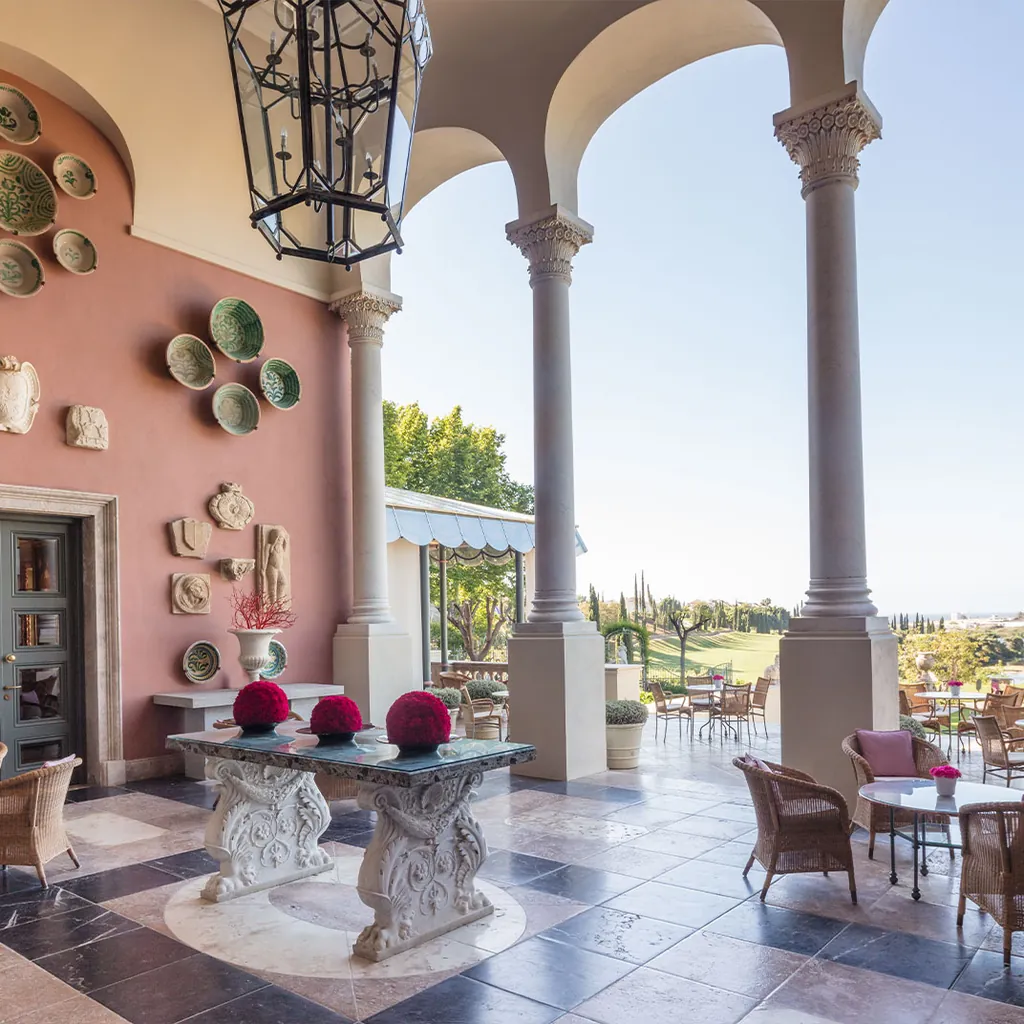
Not every guest weighs the distance to the sea the same way. Someone who wants to move spontaneously between room and beach all day will particularly value direct access. Someone arriving for golf, wellness or a quiet retreat may set different priorities.
For a hotel project, it should therefore be clarified early which guests it wants to reach and how they want to spend their holiday.
The label “discerning guests” is not enough here. It says little about needs, daily routines or booking motives. More telling is the question of which concrete stay the house is meant to make possible.
A golf guest needs different routines than a couple looking to spend a few quiet days in the spa. Accompanying guests need appealing offers of their own. Families, in turn, judge distances, flexibility and things to do differently.
A location becomes convincing when it fits the needs of the intended guests. The concept has to make that connection clear.
Individual facilities have to add up to a stay
Golf courses, spa, restaurants and art can create attention. Whether they become a convincing hotel product is decided by how they work together.
For operators, this is a key task. Breakfast times, reservations, distances, treatments and service must be organised so that guests can enjoy their time. An attractive offer loses value if using it is complicated.
It begins before arrival: does the guest understand what is available to them? Can they reserve important services easily? Do they receive recommendations that match their interests?
Inside the house, the task continues. Staff must know their guests’ main reasons for travelling and be able to connect the offers sensibly.
The number of facilities is therefore only of limited significance. What counts for the guest is whether they make the stay better.
The sea remains part of the offer
A hotel off the beachfront must take its guests’ wish for the beach seriously. Villa Padierna complements the resort with the By The Sea Beach Club. The hotel profile at Leading Hotels of the World also lists a shuttle to the beach club. The sea thus remains accessible and part of the overall offer (Source: Leading Hotels of the World).
For other projects, this opens a practical question: which services must exist on the property itself, and which can be added through reliable partners?
A beach club, a golf course or regional experiences can extend the hotel product. For that, booking, availability, transport and service quality must align. From the guest’s point of view, these services belong to the hotel’s promise, even when they take place off site.
The distance cannot be removed this way. But its influence on the stay can be reduced through good organisation.
Investors must weigh concept and cost together
A location off the beachfront can widen the search space for hotel investments. Whether it is economically attractive must be examined separately for each project.
A possible advantage in land price can enable additional investment. At the same time, extensive gardens, wellness areas, transport or labour-intensive offers create ongoing obligations. Elaborate design, too, must be maintained and preserved over the long term.
For investors, what counts is therefore the contribution each component makes to demand and to results. Do they support higher room rates? Do they lengthen the stay? Do they reach guests outside the high season? Do they encourage return visits?
Offers should be considered both individually and in combination. A facility can strengthen the overall product even when its direct revenue is limited. That contribution must nonetheless be traceable.
Publicly available figures on occupancy, achieved room rates and profitability of Villa Padierna do not underlie this piece. The house serves here as an example of distinctive positioning. Proof of commercial success would require additional operating data.
Owners must fund the promise for the long term
A concept takes shape during development. Its credibility is built over years in operation.
For owners, that means recognising the house’s defining qualities and securing their upkeep financially. This includes maintenance, staff, training and the regular further development of the offers.
For operators, it requires a clear brief: which guests are at the centre? Which services matter most for their satisfaction? Where must quality not be lost in budget decisions?
When guests arrive specifically for a spa, a cuisine or a particular atmosphere, these areas carry great responsibility. Weaknesses then strike directly at the reason the hotel was chosen.
A convincing concept therefore needs more than a strong opening. It needs an operation that keeps delivering on its central promises.
The search for a site begins with the guest
Villa Padierna shows one way to position a hotel at a coastal destination through qualities beyond direct beach access. Architecture, art, golf and wellness give the house a profile of its own; the beach offer complements the stay.
For owners and investors, this broadens the perspective. Accessibility, surroundings and demand remain decisive. Yet equally important is the question of which guests a location with the right concept can win.
Whoever searches only for direct beachfront commits early to a single property attribute. Whoever first understands their guests’ reasons for travelling can assess far more locations soundly.
For a new hotel project, the decisive question is therefore: what do we offer our guests that makes this address worth it to them?
Independent professional assessment. NOWA HOTEL LICENSE has no business relationship with the hotel named or with Anantara. Information based on publicly available sources (incl. Anantara and Leading Hotels of the World). Image material provided by the client; all brand and image rights remain with their respective owners and must be cleared before publication.