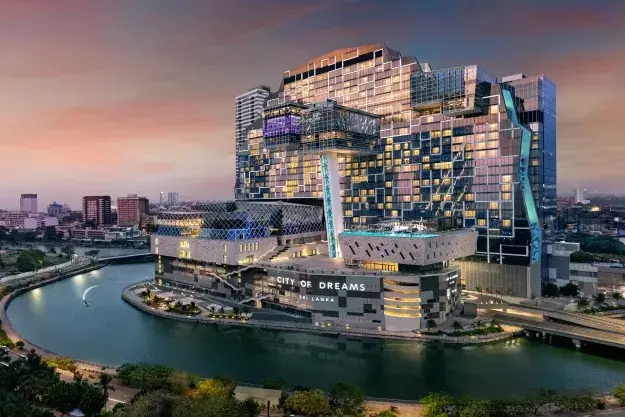
The project combines a large luxury hotel with dining, entertainment, event space, retail and further uses — Cinnamon itself speaks of an integrated resort and a „city within a city“. The hotel has 687 rooms; more than 160,000 sq ft of MICE space allows events for up to around 5,000 guests. For owners, investors and developers, the interesting point is less the architecture than the underlying question: what happens when a hotel does not merely serve demand, but generates new demand for a location itself?
From hotel to a destination of its own

Classic hotels often work on a simple principle: demand already exists at a location — business travellers, tourists, a trade fair, an airport — and the hotel captures a share of it. Cinnamon Life pursues a larger concept: it creates different reasons to come to this place at all — staying, dining, events, entertainment, business and leisure. The hotel is therefore no longer merely a recipient of existing demand, but part of generating it.
For investors this difference is essential. The long-term value of a hotel asset does not depend on the number of rooms alone, but also on how many different reasons there are for guests to visit that location in the first place.
687 rooms — but the room is only part of the business model
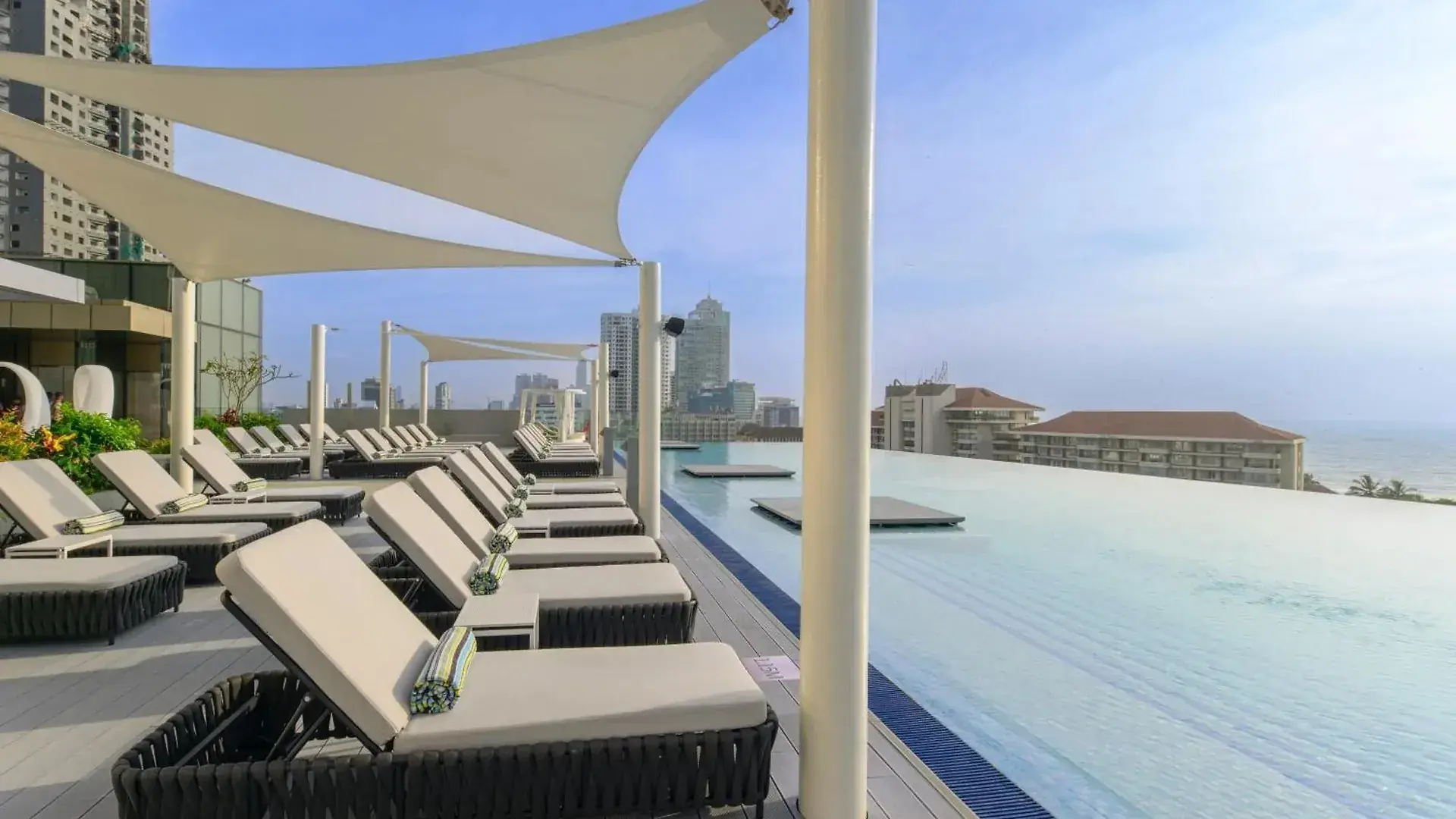
With 687 rooms, Cinnamon Life has considerable accommodation capacity; rooms and suites use, among other things, views over Colombo and the Indian Ocean as part of the product. At this size, however, it would be risky to depend solely on the classic rooms business — which is precisely why the diversification of the offering is interesting.
Dining generates revenue, events generate demand, entertainment creates footfall, retail extends stays — and hotel guests in turn create additional demand in the resort's other areas. The individual uses support one another. For owners considering a sale, a lease or a repositioning, this is an important thought: in a hotel transaction it is not only what the hotel earns today that counts, but also which additional uses and sources of demand a location can develop.
MICE as a demand generator in its own right
Cinnamon Life is particularly strongly positioned in meetings, incentives, conferences and events: with more than 160,000 sq ft of event space, MICE becomes an essential part of the business model. From an investment perspective this is notable, because conference space is sometimes treated in hotel projects as mere ancillary area — yet, properly conceived, it generates demand in its own right.
An event brings not only room rental, but also room nights, dining, banqueting and bar revenue, and often additional nights before and after. An ancillary area thus becomes an economic engine in its own right — and a buyer or operator assesses not just the existing square metres, but their future earning potential.
Mixed-use instead of isolated hotel development
Cinnamon Life also shows how hospitality is increasingly combined with other types of use — Cinnamon describes the project as a combination of hotel, residences, retail, dining and entertainment. A hotel does not have to function in isolation; it can be part of a larger mixed-use concept: hotel plus residential, office, retail, dining, entertainment or convention. With good planning, these uses benefit from one another.
For an investor, such a location can therefore be considerably more interesting than a comparable standalone hotel. The question is not only how good the hotel is, but how strong the whole ecosystem around it is.
A landmark hotel changes how a location is perceived
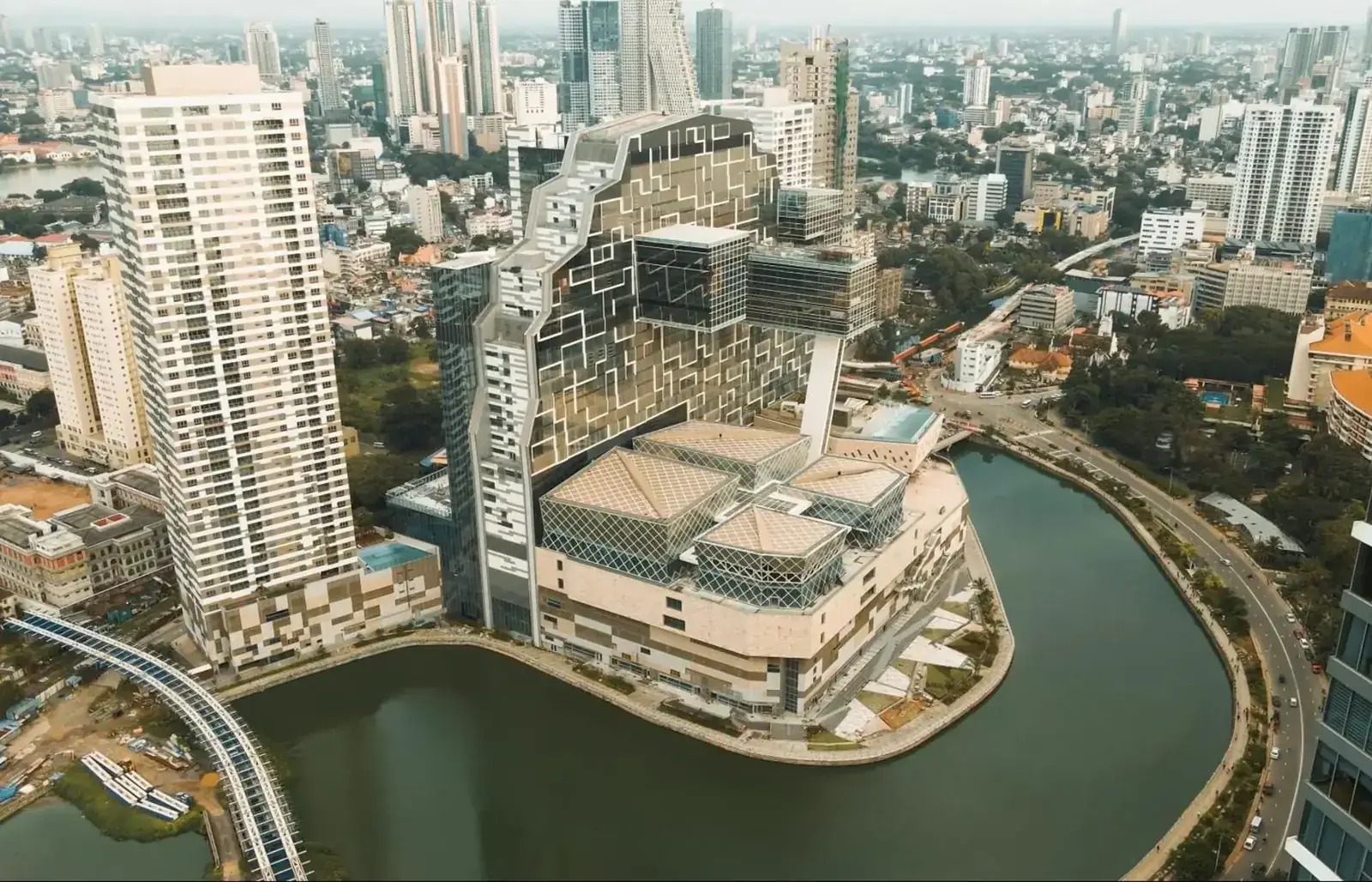
Large hotel developments can change perception. Cinnamon Life explicitly claims to position Colombo more strongly as a regional MICE and entertainment destination. Normally a hotel benefits from the image of its location; with landmark projects the reverse effect can occur — the location benefits from the hotel.
International guests discover a destination, companies hold conferences, new dining emerges, investors engage more closely with the market, further hotels follow. In this way a single large project can become the starting point for additional investment.
What owners and investors can take from it
A project of this scale cannot be transferred to every property — an 80-room hotel in Germany needs no integrated resort. The underlying questions, however, are the same. Anyone considering a sale or lease should not measure the asset by today's operation alone, but also examine its development potential:
- unused event space
- differently positioned dining
- development potential on the plot
- an operator who achieves a better positioning
- a more suitable hotel brand
- a resort, lifestyle, long-stay or mixed-use concept from a classic hotel
For investors, Cinnamon Life illustrates a fundamental principle: hotel investment is always also location investment. A beautiful hotel in a weak location stays difficult; a well-positioned hotel in a growing destination can develop considerable potential over time. Alongside price and yield, therefore, what counts is demand growth, competition, operator quality, expansion and change-of-use options, MICE potential and the development of the location.
Our perspective
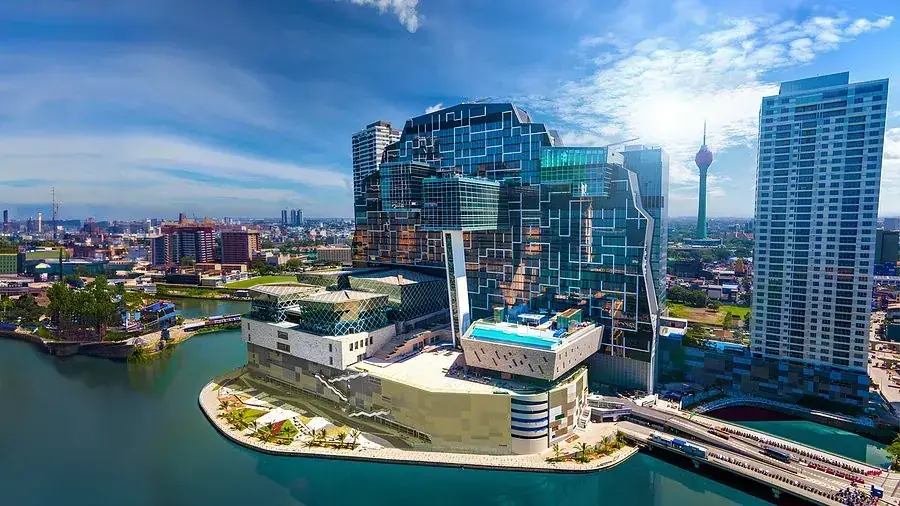
For us, Cinnamon Life Colombo is not only an exceptional new luxury hotel, but an expression of a development that is becoming increasingly relevant for the international hotel real-estate market: hotels are becoming part of larger ecosystems. Dining, entertainment, MICE and retail can generate demand, diversify risk and give a hotel a stronger position.
For owners this means: in a sale or lease, it is not only the existing operation that should be presented, but also the development potential of the asset. For investors it means: in a purchase, what counts is not only what a property is today, but what it can become. Cinnamon Life shows this idea on an exceptional scale — and in that lies the most important insight: a successful hotel does not always merely serve a destination; at its best, it helps to create a new one.
Independent professional commentary. NOWA HOTEL LICENSE has no business relationship with the hotel mentioned, with Cinnamon Hotels & Resorts / John Keells or with City of Dreams. Information and imagery from publicly available sources (partly renderings); all brand and image rights remain with their respective owners.