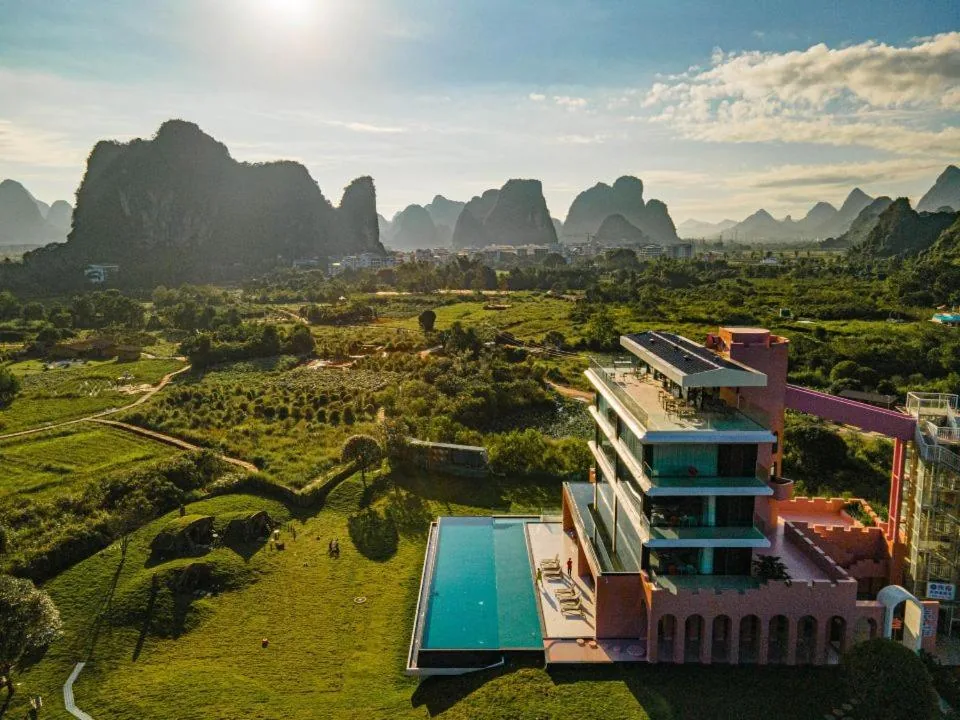
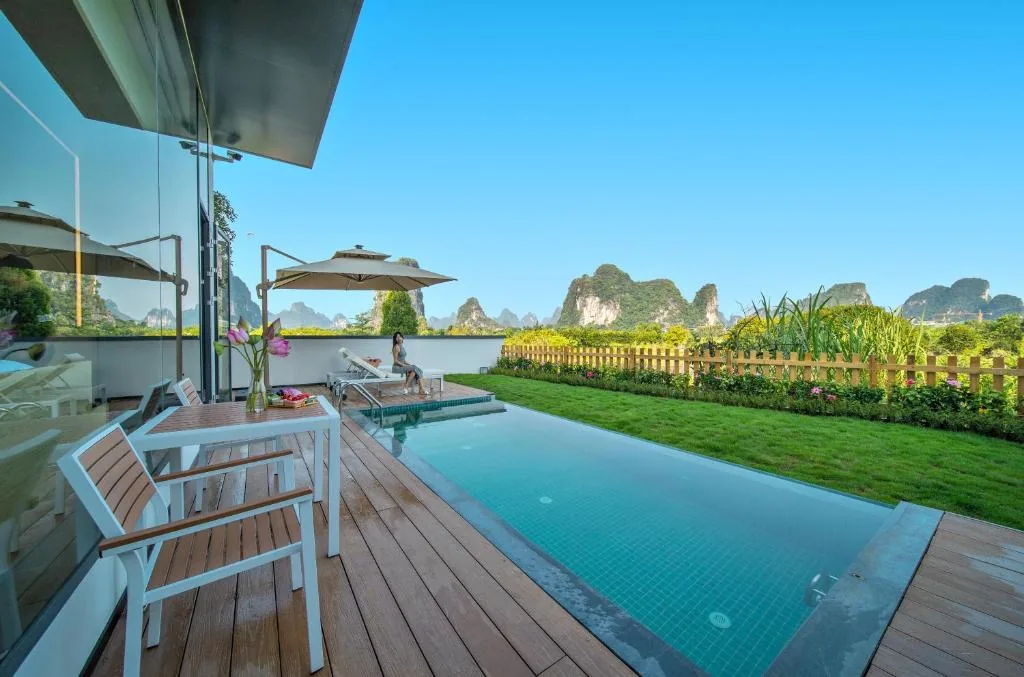
A private pool, behind it the karst mountains of Yangshuo. Large glass surfaces open the rooms to the landscape, and flowing shapes define the architecture. At the LIANGSU Hotel in China’s Guangxi region, the holiday motif is visible before you even book.
That is no accident: the house explicitly sees itself as a photo-hotel — in Chinese 旅拍 (lǚpāi, “travel photography”). According to the MICHELIN Guide it even offers guests a photo session on the grounds. Photography itself thus becomes part of the stay.
Source: MICHELIN Guide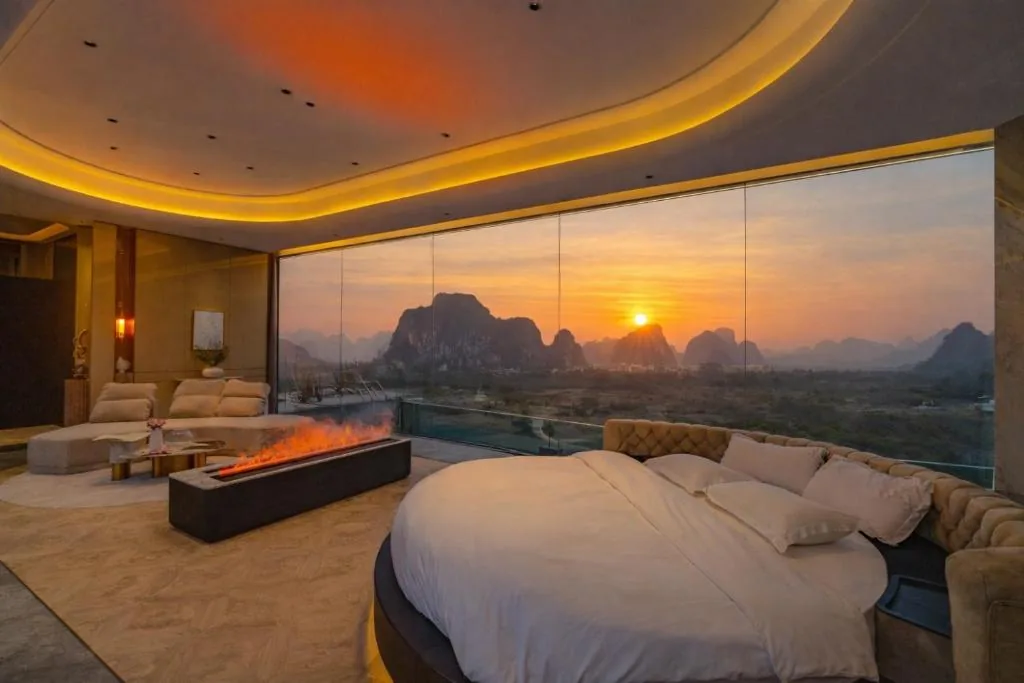
For owners and operators there is an interesting question in this: how does a hotel concept change when its rooms are at once a place to stay and a subject to photograph?
A picture makes the offer legible
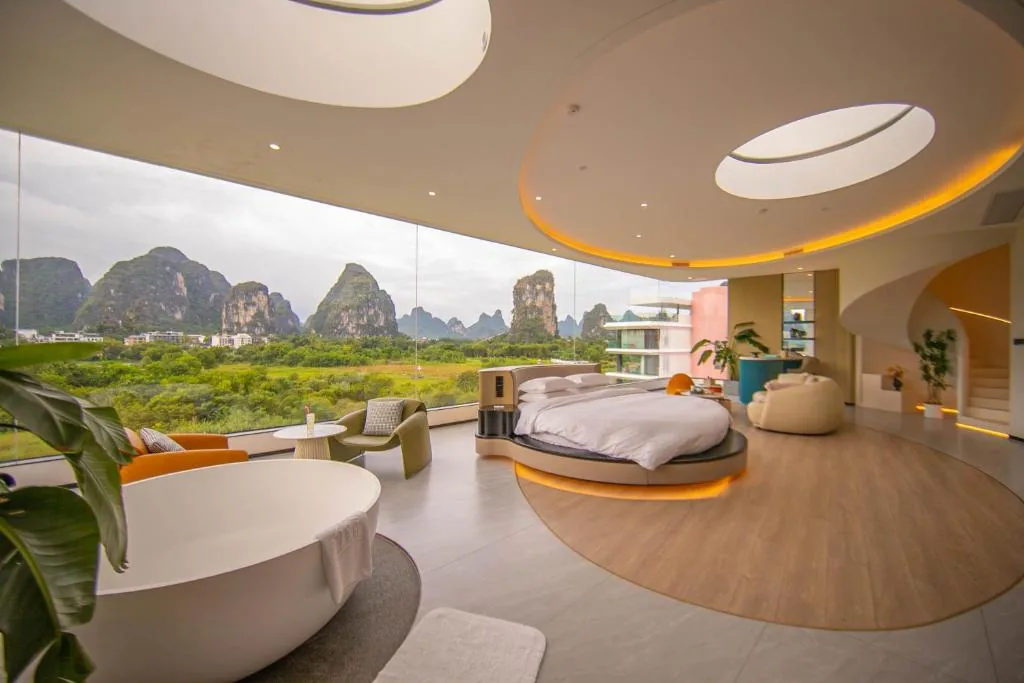
Hotel concepts have to convey what makes a house special. At LIANGSU, a key part of that promise can be grasped immediately: private retreats with a striking connection to the landscape.
The MICHELIN Guide describes floor-to-ceiling windows, round beds oriented towards the mountains and private pools in the suites. These elements create different ways to experience the same surroundings — and at the same time produce images that convey the offer without lengthy explanation.
Source: MICHELIN GuideConceptually that is a strength: architecture and marketing tell the same story. What draws attention in a photograph is directly tied to the room that was booked.
When the keepsake photo becomes a service
The photo session offered carries this idea further: the hotel turns a widespread guest behaviour into an offering of its own. Many travellers photograph remarkable rooms and views anyway — an organised shoot turns that into a service whose process and quality the house can help shape.
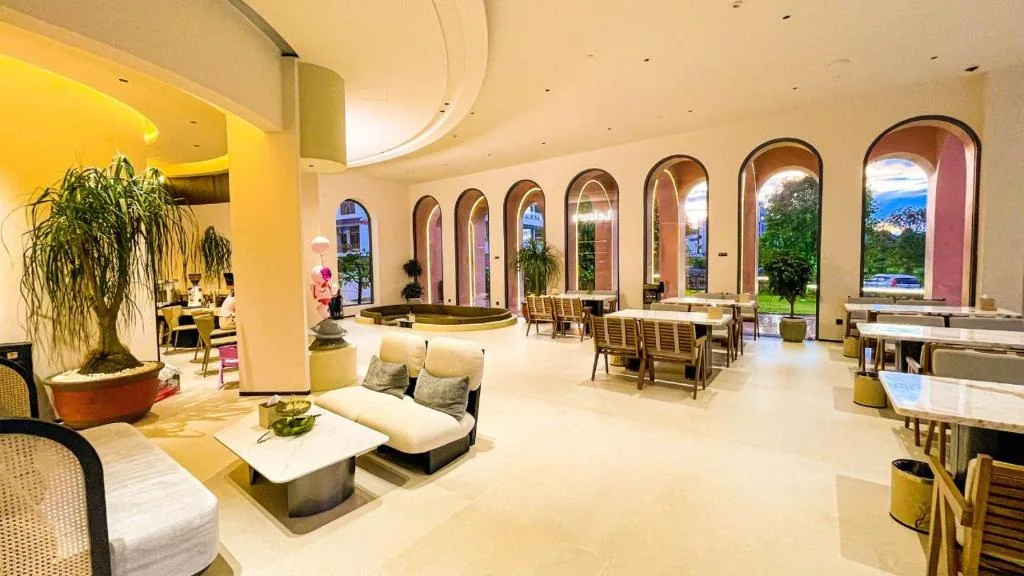
For operators this raises practical questions: where can images be taken without disturbing other guests? How are appointments organised, and which areas stay private? Such a service needs the same clear responsibilities as any other guest service and must fit the daily running of the house.
The subject has to survive daily use
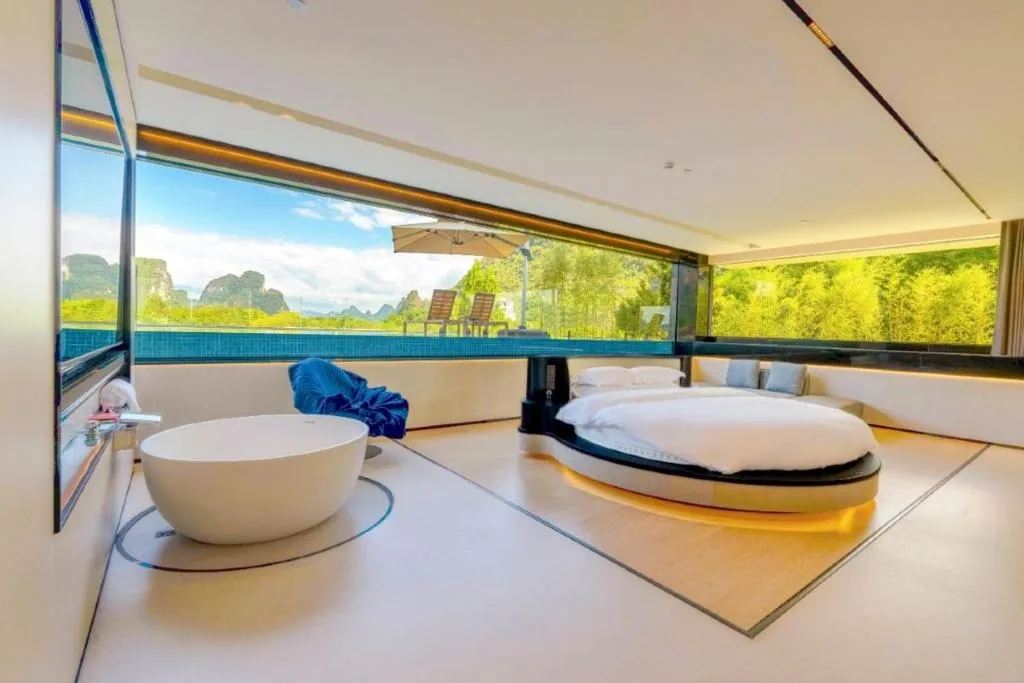
A convincing photograph shows one chosen moment. A room has to work over many hours. For comparable concepts, sightlines and privacy therefore belong together: large glass surfaces call for shading and climate solutions, a private pool brings cleaning, maintenance and safety, and striking room shapes must also convince once furnished and in daily operation.
How LIANGSU resolves this in detail cannot be judged from public descriptions. The economic effect also remains open: a frequently shared image creates attention — whether it yields additional direct bookings, higher room rates or longer stays can only be shown by concrete operating data.
What owners can take from it
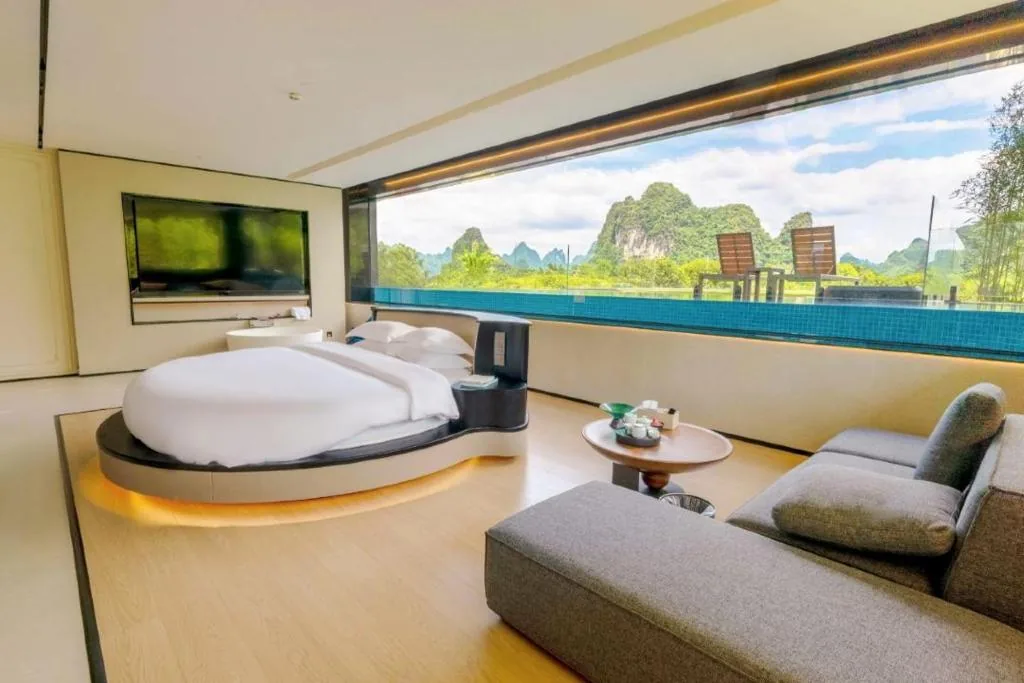
LIANGSU prompts owners to bring a hotel’s photographic effect into concept development early: which view conveys what is special about the house? Which room category delivers that promise? And can the guest actually expect the advertised experience in the category booked?
That last point is decisive. When the most striking images show individual suites, communication must make the differences between categories clear. Precise expectations help guests choose — and help operations deliver reliably.
The NOWA perspective
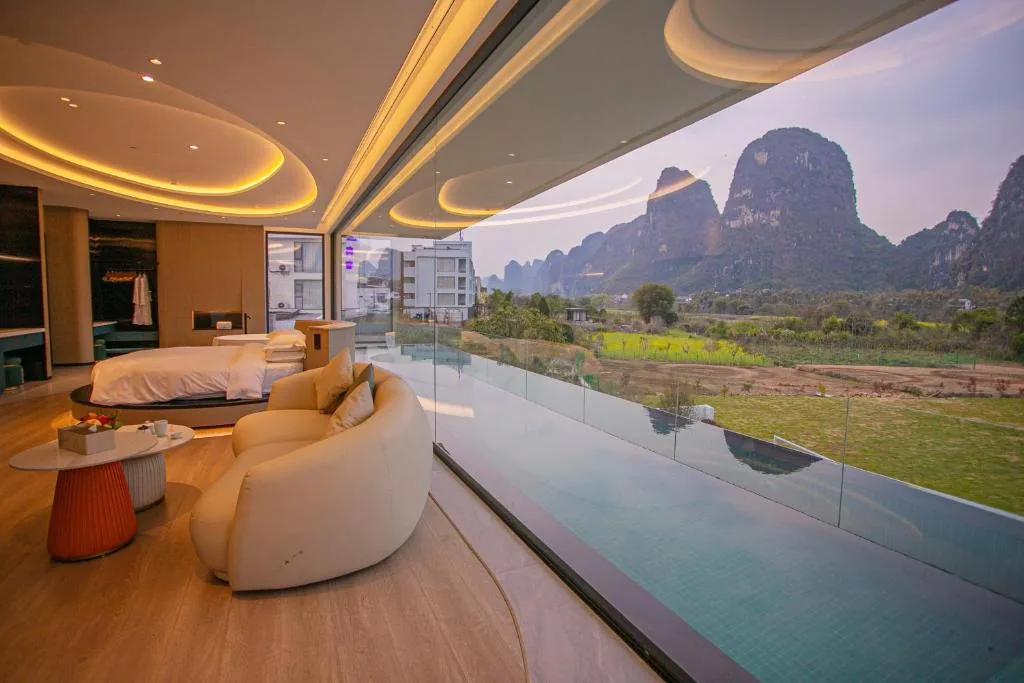
From the perspective of NOWA HOTEL, LIANGSU shows how closely spatial design, guest service and visual communication can be connected. The photo session gives the concept an additional layer: the house creates a setting in which guests shape their own memory of the place.
For owners and operators there is an idea worth examining here — which characteristic quality of a house can be deepened through a fitting service? For distinctive properties, NOWA develops exactly this link between positioning, operator concept and marketing.
Independent professional assessment based on publicly available information (including the MICHELIN Guide), without an on-site visit. NOWA HOTEL has no business relationship with the LIANGSU Hotel or its operators; individual details may vary. Imagery and all brand and image rights remain with their respective owners and are to be cleared before publication.